
🔎 First things first: what is inflammation, really?
Inflammation isn't your enemy. It's a natural immune system response to detected injury, threat, or imbalance.
It's like an internal alarm designed to protect you.
When it's acute (for example, if you cut yourself, have a fever, or get injured), it helps your body heal and return to balance.
But when that response stays active for a long time... it becomes chronic.
🔥 Acute vs. chronic inflammation
| Type of inflammation | Short-lived | Visible symptoms | Helps heal | Causes harm if it persists |
|---|---|---|---|---|
| Acute | ✅ | ✅ (redness, pain, swelling) | ✅ | ❌ |
| Chronic | ❌ (months or years) | ❌ (it's silent) | ❌ | ✅ (it can damage tissue) |
🤯 What causes it?
Chronic inflammation doesn't stem from just one factor. It's multifactorial.
Here are the most common triggers for women like you and me:
-
A diet high in ultra-processed foods, sugar, or inflammatory fats
-
Insulin resistance, hypothyroidism, polycystic ovary syndrome, perimenopause, lipedema, among others.
-
Ongoing stress (emotional or physical)
-
Environmental pollutants (in the air, water, and everyday products)
-
Sudden temperature changes
-
Poor sleep
-
Excessive use of certain medications
Your body isn't reacting badly for no reason. It's responding to warning signals it may have been accumulating for years.
🚨 What does it feel like to live with chronic inflammation?

We often don't see it, but we do feel it.
Here are some of the most common symptoms:
Deep fatigue
The kind of exhaustion that doesn't improve even after nine hours of sleep. You feel physically and mentally drained.
Body pain
Pain in your legs, hips, knees, or joints... sometimes for no clear reason.
Swelling and fluid retention
You put on a pair of pants in the morning, and by afternoon they no longer fit. It hurts, and everything leaves an imprint.
Digestive problems
Colitis, gastritis, reflux, constipation, or diarrhea that come and go.
Weight gain (or difficulty losing weight)
Even when you eat “healthy” or exercise, your body seems to resist.
Brain fog and anxiety
Difficulty concentrating, feeling disconnected, or living with anxiety or low moods.
⚠️ Inflamed or just bloated?
In many Latin American countries, we use “inflammation” as a synonym for abdominal bloating or bloating.
But they're not the same thing.
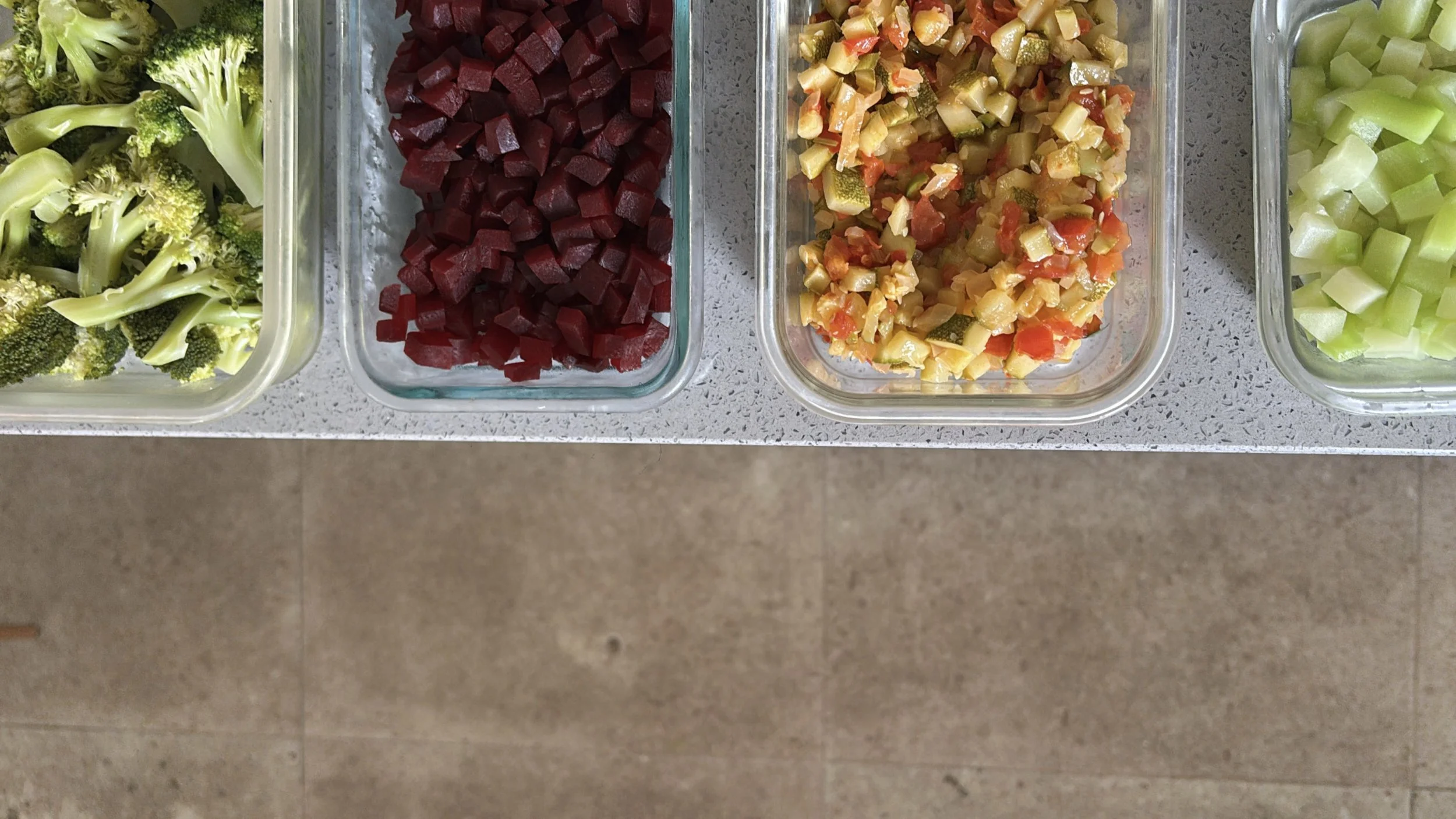
For example:
You eat broccoli or beans and feel “inflamed.”
👉 But what you felt was abdominal distension, a digestive process, not chronic inflammation.
The important thing is to tell the difference:
Bloating = digestion (gas, fermentation)
Inflammation = immune system (pain, fatigue, cellular damage)
Broccoli and beans are actually anti-inflammatory foods at the cellular level.
🧠 And why does my body get inflamed right there?
The immune system sends chemical mediators to repair what it believes is damaged. And if you already have a sensitive area—for example, legs affected by lipedema—that's where you'll feel it most strongly.
✔️ More pain
✔️ More heaviness
✔️ More fluid retention
And that's no coincidence. It's biology.
🌱 What can you start doing to reduce it?
It's not about "curing" it with a magical list of foods or pills.
It's about reducing inflammatory triggers and giving your body what it needs to stop being in alert mode.
Here are some practical steps:
-
Identify your personal triggers (foods, emotions, environment)
-
Avoid ultra-processed foods, refined vegetable oils, and excess sugar
-
Add real anti-inflammatory foods (fruits, vegetables, spices, omega-3s)
-
Get good sleep and take care of your circadian rhythm
-
Reduce stress or learn to manage it mindfully
-
Keep an eye on your blood glucose, blood pressure, and hormones
📌 Disclaimer
This content is for educational and informational purposes. It does not replace an individualized medical or nutritional consultation. Always consult your healthcare professional if you have a diagnosis or persistent symptoms.


